Shipping a carefully curated hamper overseas is like sending a love letter in a bottle—beautiful, thoughtful, and a bit fragile. Yet, the journey from your kitchen to the recipient’s doorstep can be riddled with customs checkpoints that feel like a maze of bureaucratic paperwork. If you’ve ever watched a shipment sit in a warehouse for weeks, you know the frustration. This article will walk you through the common causes of customs delays, practical solutions, and a few light‑hearted tips to keep your hamper on track.
Understanding the Customs Maze
What Triggers a Delay?
Customs officials are diligent gatekeepers. They check that every item complies with the destination country’s regulations, valuation, and documentation. Delays often stem from:
- Incomplete paperwork: Missing invoices or inaccurate descriptions. Incorrect tariff codes: Misclassifying goods can lead to higher duties or outright rejection. Valuation disputes: If declared value differs from the actual cost, customs may reassess. Restricted or prohibited items: Certain foods, spices, or organic materials may require special permits.
The Role of the Carrier
While customs is the final hurdle, the carrier’s handling of documentation can either smooth the process or add friction. A reliable freight forwarder will:

- Provide accurate customs declarations. Keep up-to-date with changing import regulations. Offer real‑time tracking and proactive communication.
Preparing Your Hamper for Smooth Sailing
Crafting the Perfect Customs Declaration
Think of the customs declaration as the hamper’s passport. A well‑filled form reduces the chance of a visa‑like denial.
- Accurate description: Use clear, concise terms (e.g., “artisan honey, 250g”). Correct HS code: The Harmonized System code determines duty rates. A quick online lookup or a freight forwarder’s expertise can save hours. Precise valuation: Declare the true commercial value, not the retail price. Over‑ or under‑valuation invites scrutiny. Proper packaging labels: Include the destination address, contact number, and a brief note about contents.
> “A well‑prepared shipment is half the battle won,” says logistics expert Maya Patel.
Choosing the Right Packaging
Beyond aesthetics, packaging influences customs clearance. Use sturdy, tamper‑evident containers that protect contents but also signal professionalism.
- Double‑layered cardboard boxes for fragile items. Sealed plastic bags for food items to avoid moisture damage. Clear labeling that remains legible after handling.
Leveraging Technology and Expertise
Digital Customs Platforms
Many carriers now offer digital portals where you can upload documents, track shipments, and even receive alerts about potential issues. These platforms often integrate:
- Real‑time duty calculators. Automated compliance checks. Direct messaging with customs officials.
Hiring a Customs Broker
If you’re shipping frequently or dealing with high‑value hampers, a customs broker can be a game‑changer. They act as your local representative, ensuring all paperwork aligns with the destination country’s laws.
- Pros: Faster clearance, reduced risk of fines, and expert advice. Cons: Additional cost, but often justified by time saved.
Case Study: The “Garden of Delights” Hamper
A boutique gift shop in Portland sent a gourmet hamper to a client in Kyoto. The Australian brands online hamper included locally sourced cheeses, artisanal bread, and a small jar of maple syrup. Despite meticulous packaging, the shipment stalled for three weeks. Why?
- Misclassified HS codes: The cheeses were labeled under a generic code that triggered extra scrutiny. Inadequate documentation: The invoice omitted the country of origin for the maple syrup. Cultural nuances: Japanese customs required a special permit for dairy products from the U.S.
Once the shop corrected the codes, added the missing permit, and clarified the origin, the hamper cleared smoothly. The lesson? Even a small oversight can turn a simple gift into a customs conundrum.
Quick Tips to Avoid Common Pitfalls
- Double‑check every field in the customs declaration before submission. Use a reputable freight forwarder who offers customs clearance services. Keep a copy of all documents for your records. Research destination regulations annually; import laws change more often than the weather. Ask for a “clean” shipping label that indicates no restricted items.
Is Your Hamper Ready for International Travel?
Imagine your hamper Premium wine as a traveler wearing a passport. If its documents are in order, the journey is seamless. If not, it’s like showing up to a border checkpoint with a half‑filled application. So, ask yourself:
- Have I verified the correct HS code for each item? Is my declared value accurate and justified? Does the packaging meet both safety and regulatory standards?
If the answer is “yes,” you’re likely set. If “no,” it’s time to review and adjust.
The Final Touch: A Thoughtful Wrap‑Up
Customs clearance delays for international hampers can feel like a roadblock on a scenic drive, but with the right preparation, they’re merely a detour, not a dead end. By understanding the triggers, preparing meticulous documentation, and leveraging technology or expertise, you can keep your hamper moving smoothly across borders.
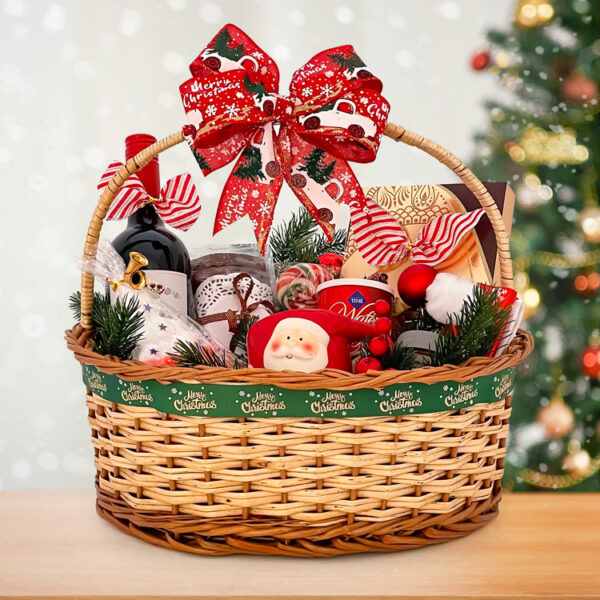
Ready to ship your next hamper without the customs headache? Reach out to a trusted freight forwarder today, double‑check your paperwork, and let your gift travel the world with confidence.